
ADHD and anxiety are frequently confused, especially among adults managing careers and busy lives. In our work with professionals across San Francisco and throughout California via online therapy, we often meet people who wonder why focus, restlessness, or constant worry keep interfering with work, relationships, or daily routines.
At SF Therapy Group, our team specializes in helping analytical, driven adults make sense of patterns like these. Rather than rushing to labels, we look at the underlying causes, whether attention regulation, chronic worry, or both. This guide explains how ADHD and anxiety overlap, how they differ, and what thoughtful, evidence-based treatment can look like when support is tailored to your life.
Understanding the Difference Between ADHD and Anxiety
In our work with professionals, many people come in unsure whether they’re dealing with ADHD, anxiety, or both. Clients often describe feeling constantly busy but strangely unproductive, saying things like, “My brain never shuts off, but I still can’t focus on what matters.” Sorting out the difference isn’t just about labeling symptoms, it’s about understanding what’s actually driving the patterns in your day-to-day life.
ADHD and anxiety are distinct conditions, but they often show up with symptoms that can look strikingly similar in real life. For adults holding down demanding jobs, maintaining families, or juggling a thousand things at once, it’s no wonder confusion is common. Both can impact focus, motivation, energy, and even relationships, sometimes making it hard to tease apart which is which.
What’s important to remember is that even if the “what” looks the same (distraction, forgetfulness, restlessness), the “why” behind those patterns can be very different. ADHD often has its roots in brain-based delays in attention, impulse control, and organization, features that have usually shown up since childhood. Anxiety, on the other hand, is driven mainly by excessive worry, fear, or tension, which can either be situational or more generalized.
This overlap has led to many adults mislabeling themselves, or even getting misdiagnosed by well-meaning professionals. That’s why digging into the nuances matters so much: it’s the difference between finding management tools that fit your brain versus ones that fit your mood. This next trio of sections will break down the overlapping and unique features, show how the two can magnify each other, and help you recognize the patterns that matter most for seeking help.
Symptom Comparison: Overlapping and Distinct Features
- Overlapping Symptoms:Restlessness: Both ADHD and anxiety can leave you feeling like you can’t sit still. The difference? For ADHD, it often feels bodily, tapping your feet, fidgeting, jumping from one thing to the next. With anxiety, it’s more like your mind is doing flips, obsessing over scenarios and what-ifs.
- Poor concentration: Trouble focusing is a shared problem, but in ADHD, distractions just seem to happen (a bird outside, a ping on your phone). In anxiety, it’s usually your own worries or fears hijacking your attention.
- Sleep problems: Insomnia or trouble sleeping can crop up with both. ADHD brings “bedtime procrastination”, getting stuck scrolling or starting projects late. Anxiety shows up as racing thoughts, trouble falling asleep, or waking up with your heart pounding after a nightmare.
- Emotional dysregulation: Both can make you sensitive to criticism, quick to frustration, or emotionally drained by day’s end.
- Distinct ADHD Features:Impulsivity: Speaking before thinking, trouble waiting turns, making split-second decisions that backfire later.
- Difficulty finishing tasks: You start strong but lose track, leaving projects half-done, even if you care about the outcome.
- Forgetfulness: Regularly misplacing keys, missing appointments, or zoning out in the middle of conversations.
- Time blindness: Chronic underestimating of how long something will take, frequently running late, or always in a rush.
- Distinct Anxiety Features:Persistent worry: A background hum of what-if thought spirals, even when nothing’s “really wrong” at the moment.
- Avoidance: Skipping meetings, emails, or obligations out of fear or dread, not just distraction or boredom.
- Physical symptoms: Muscle tension, headaches, stomach issues, sweaty palms, often directly tied to stressful thoughts or upcoming events.
- Perfectionism: Standards so high they paralyze action; you can’t get started because it just “has to be right.”
Paying attention to the triggers, patterns, and specific challenges in your day-to-day life can help you sort out which camp your symptoms might belong to, or if you’ve got a foot in both.
How Combined Presentation ADHD and Anxiety Manifest
In therapy, we often see how confusing this combination can be. Many adults describe a cycle where distraction and worry feed each other. Someone might put off a task because it feels overwhelming, then later say, “Now I’m even more stressed because I forgot about it completely.” When ADHD and anxiety overlap, the problem usually isn’t motivation, it’s that two different systems in the brain are pulling attention in competing directions.
When someone lives with both ADHD (often the combined type) and anxiety, the picture gets even more complicated, a pattern well documented in clinical research showing that ADHD frequently occurs alongside anxiety disorders (Schatz & Rostain, 2006). You might notice attention problems, impulsivity, and restlessness layered on top of constant worry or perfectionistic streaks. It’s not always clear which one is causing what, a missed deadline could come from distraction, dread, or both at once.
This blend may lead to chronic disorganization, avoidance of tasks, or a cycle of overcompensating followed by burnout. For adults, this mix can mask or intensify symptoms that started in childhood. Recognizing how these pieces interact is key for tailored treatment and breaking out of the loop of confusion or self-blame.
The Challenges of Proper Diagnosis
Getting a correct diagnosis for ADHD versus anxiety isn’t always straightforward, especially for adults who have spent years building coping skills or compensating in high-functioning roles. Because these conditions can mimic each other, think forgetfulness, distraction, or feeling “on edge”, mistaken labels are surprisingly common, even among professionals.
The stakes are high: misdiagnosis can lead to years of ineffective treatments, wasted resources, and growing frustration. That’s why a thorough professional evaluation is so essential. Clinicians look for specific developmental patterns, symptom triggers, and the root causes behind the behaviors, not just what’s on the surface.
Self-diagnosis and quick online quizzes may offer clues, but they’re not substitutes for a comprehensive assessment. Knowing what questions to ask, what signals matter, and where self-screening tools fall short can help you advocate for yourself with confidence. In the next sections, we’ll clarify how misdiagnosis happens, what to watch out for, and which tools are actually helpful on the road to real clarity.
Understanding Misdiagnosis: Why ADHD and Anxiety Are Often Confused
ADHD and anxiety share several surface-level symptoms, like distractibility, trouble concentrating, and feeling restless, which naturally leads to diagnostic confusion. Professionals may look for checklists but miss the underlying causes, especially if someone’s outwardly successful or has masked certain behaviors for years.
This confusion is even more pronounced in adults, who may have adapted so well that their symptoms look more like stress or burnout. Distinguishing between chronic inattention (ADHD) and focus disrupted by worry (anxiety) is nuanced, and not every clinician is trained in that distinction.
Diagnostic Testing and Reliable Self-Assessment Tools
- Professional diagnostic interviews: Conducted by mental health professionals; these explore history, patterns, and symptom triggers over time, far beyond a simple checklist.
- Validated self-assessment tools: Resources like the ASRS for ADHD or GAD-7 for anxiety are sometimes used as a first step but should never be used to “self-diagnose.”
- Online quizzes (e.g., Zeam, Start My Wellness): These can prompt self-reflection but are often too broad or misleading to rely on for action.
- Red flags warranting expert help: If symptoms cause major work, home, or relationship problems, or if repeated self-help efforts fail, skip the quizzes and reach out to a therapist for a full evaluation.
Effective Treatment Options for ADHD and Anxiety
Treatment for ADHD and anxiety isn’t about one-size-fits-all fixes, but about finding strategies and supports that are truly personalized, often with guidance from an experienced ADHD Therapist. Therapy and, when needed, medication both play strong roles, sometimes separately, sometimes together, depending on which symptoms are most disruptive and whether you’re dealing with just one condition or a bit of both.
Approaches to therapy often differ between the two diagnoses, just like medication choices and lifestyle strategies do. That’s why it’s so important to work with a provider who considers your whole picture and values a collaborative, stigma-free relationship. At practices like SF Therapy Group, the process is about matching evidence-based tools to your unique brain, life, and goals. The right plan can mean steadier focus, calmer nerves, and a deeper sense of personal agency, whatever mix of symptoms you bring.
Up next, we’ll get specific about how therapy can build real-world skills and how medications fit in as part of a bigger picture. No magic bullets or miracle cures here, just practical, strategic care that works with, not against, your reality.
Therapy and Behavioral Interventions for Managing Symptoms
Therapy for ADHD and anxiety is about more than just talking, it’s a hands-on, structured process that addresses the roots of your challenges and helps you build concrete skills. SF Therapy Group focuses on deeply personalized, emotionally safe therapy designed specifically for high-achieving adults navigating executive dysfunction, perfectionism, chronic worry, or emotional exhaustion.
Therapy may involve practical tools for organizing your time, managing distractions, or reducing emotional reactivity in the face of stress. If anxiety is leading the way, the focus might shift to challenging unhelpful thought patterns and learning to tolerate uncertainty, often with support from an Anxiety Therapist who can guide mindfulness and insight-based practices that fit your intellectual style
Sessions are grounded in collaborative discovery, helping you understand both your strengths and your stuck points, while slowly practicing new habits that fit your real-world life. There’s practical support for developing new systems, letting go of old self-criticism, and learning techniques that actually stick.
The Role of Control Mastery Theory in ADHD and Anxiety Therapy
Many adults who struggle with ADHD or anxiety have spent years trying to “push through,” forcing themselves to work harder, stay more organized, or quiet their worries through sheer effort. When those strategies fall short, it’s easy to start believing something is fundamentally wrong.
Control Mastery Theory offers a very different perspective, helping people understand symptoms as meaningful responses rather than problems that need to be forced away. Instead of seeing symptoms as flaws to eliminate, this approach views them as meaningful responses to real-life pressures, past experiences, and the brain’s attempt to solve problems. In other words, the mind is often trying to protect, adapt, or regain control, even when the strategies it uses aren’t working well anymore.
At SF Therapy Group, therapy is built around this belief that people are fundamentally motivated toward growth, clarity, and mastery. ADHD challenges like distraction or impulsivity, and anxiety patterns like worry or perfectionism, are explored with curiosity rather than judgment. Together, therapist and client work to understand what these patterns are trying to accomplish and how to replace them with strategies that support focus, confidence, and emotional steadiness.
For many high-achieving adults, this collaborative process can feel surprisingly empowering. Instead of feeling “fixed” or corrected, therapy becomes a place where insight leads to practical change, helping people regain a sense of control over their attention, decisions, and daily lives.
Medication Management: Considerations and Interactions
For some adults, medication is a key part of managing ADHD, anxiety, or both, especially when symptoms are hard to manage with therapy or lifestyle changes alone. Stimulants and non-stimulant meds are common for ADHD, while SSRIs and certain anti-anxiety drugs are used for anxiety. But combining these can be tricky.
Professional oversight is a must. Side effects, drug interactions, and even symptom crossover (like increased anxiety from some stimulants) mean your provider needs the full picture. Medication works best as one piece of a broader care plan, so talk honestly and in detail with your prescriber to weigh the right options for your body and mind.
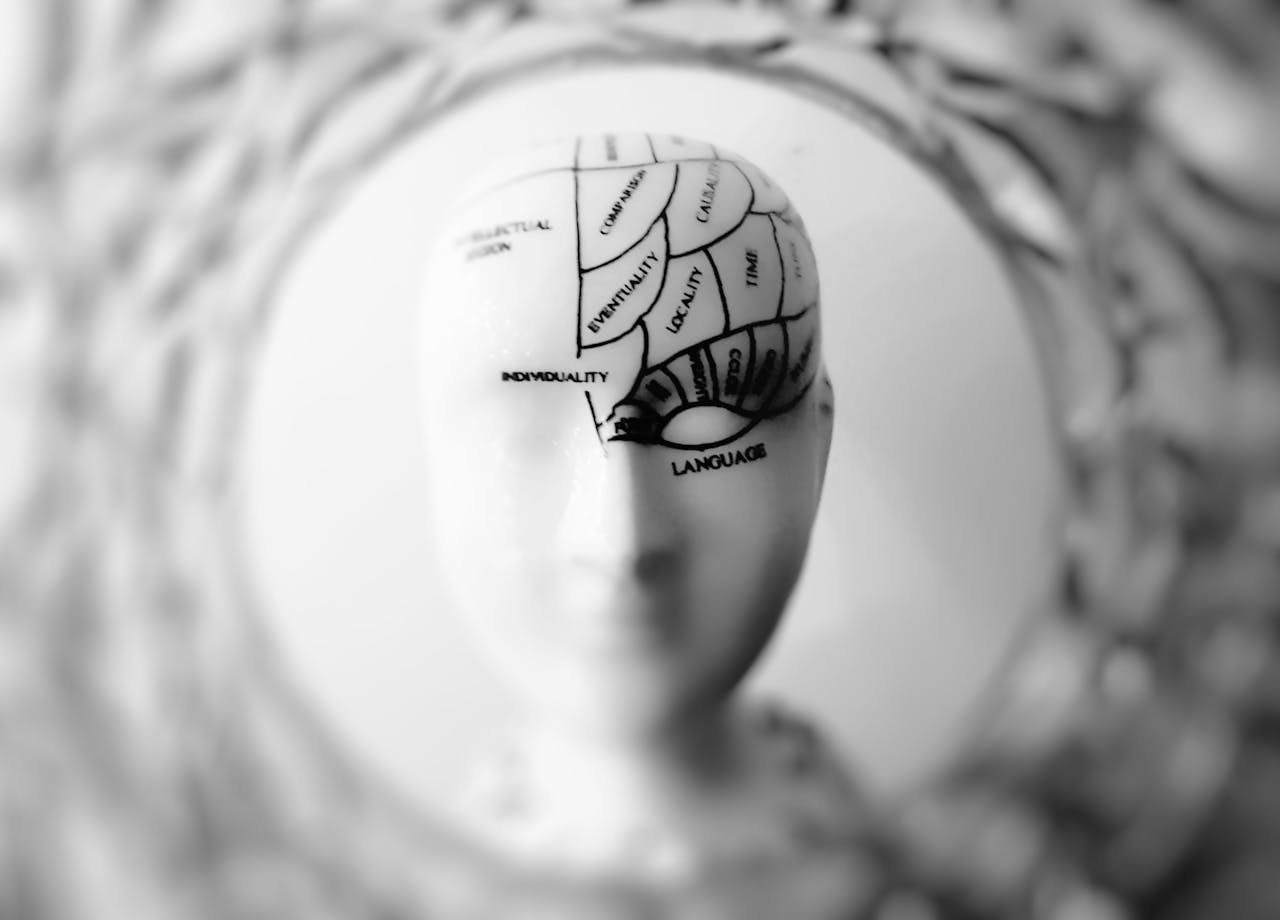
ADHD and Anxiety Across Ages and Life Stages
ADHD and anxiety don’t look the same for everyone. Kids, teens, and adults experience these conditions differently, both in terms of outward symptoms and hidden struggles. Most of us tend to think about ADHD as a childhood issue and anxiety as something that comes later, but research shows that the two conditions frequently co-occur and can evolve together across the lifespan, sometimes remaining unrecognized until major life transitions prompt closer evaluation (D’Agati, Curatolo, & Mazzone, 2019).
For some, early patterns of distraction or worry follow them into adult life, affecting how they work, connect in relationships, and manage personal goals. Women, especially, may be left out of the conversation, since their symptoms often fly under the radar or get misattributed to stress or sensitivity.
Whether you’re figuring this out for yourself, supporting a young person, or just trying to make sense of lifelong tendencies, it’s valuable to understand how age, gender, and context shape these conditions. For adults wanting thoughtful support, SF Therapy Group offers services specifically for adults and high-functioning professionals, though those supporting children or teens may want to explore age-appropriate therapy with a local children’s specialist.
What ADHD and Anxiety Look Like in Children
In kids, ADHD often means constant movement, struggles with taking turns, easy distractibility, or “daydreaming” in class. Anxiety might show as stomachaches before school, clinging to parents, or avoiding new situations out of fear. Both can lead to irritability or meltdowns, sometimes misread as bad behavior.
If these patterns last for months and disrupt family or school life, it’s crucial to seek advice from a professional who specializes in children’s mental health. Family support, patient listening, and compassion go a long way. Learn more about therapy for kids and teens with anxiety or behavioral concerns at SF Therapy Group’s children and adolescents therapy page.
Living as an Adult with ADHD or Anxiety: Work, Relationships, and Time Management
- Executive Dysfunction: Many adults, especially those in leadership or high-pressure fields, find that ADHD or anxiety hamstrings their ability to plan, prioritize, or follow through. Missed deadlines, lost paperwork, and “time blindness” can undermine confidence at work.
- Relationship friction: Struggles with attention, listening, or mood swings sometimes create tension in close relationships, partners may feel ignored, friends may misunderstand flakiness, or colleagues may see you as scattered.
- Workplace performance: Anxiety breeds avoidance and perfectionism, leading to chronic stress, burnout, or task paralysis. ADHD can look like creativity followed by an inability to sustain effort or keep commitments, especially under pressure.
- Time management struggles: Both conditions can interfere with building stable routines. Common pitfalls include last-minute rushing, difficulty estimating task lengths, or avoidance behaviors tied to overwhelm.
- Energy management: Juggling symptoms and competing demands can leave you drained, frustrated, or tempted to “power through” until you crash.
Tuning into these patterns is the first step. Therapy that’s tailored to your adult life, like the emotionally safe, strategic support from SF Therapy Group, can help untangle these habits and build new ones that actually work in your day-to-day reality.
Unique Considerations for Women with ADHD and Anxiety
ADHD and anxiety often slip under the radar in women, partly because symptoms are more likely to be internalized, think overthinking, chronic self-doubt, or striving for impossible standards. Girls might get called “daydreamers” or “perfectionists” instead of being recognized for ADHD, and adult women may have their distress written off as stress or sensitivity.
Social expectations and gender roles also fuel diagnosis biases and make it harder for women to access personalized care. Recognizing these blind spots is crucial for any woman navigating symptoms, and for clinicians to ensure care is nuanced, not one-size-fits-all. Our aim is to support all readers in trusting their lived experience and seeking out experts who see the whole story.
Daily Management Strategies for ADHD and Anxiety
Symptoms of ADHD and anxiety don’t clock in just at work or school, they show up everywhere, from the grocery store to your evening routine. Finding daily strategies that fit your unique life can be a game-changer, especially for adults handling major responsibilities at home and on the job.
This part of the guide offers practical tips rooted in real-world evidence: how to craft meaningful routines, tweak your environment, and stick with habits that protect your focus and lower your stress. We’re here to help you identify what matters, where your strengths lie, and how to fit tools into your routines in ways that stick.
If you’re looking for an approach that honors your autonomy while keeping things grounded in everyday experience, we’ll share options for self-care, structure, and realistic stress reduction, no hype, just helpful guidance. These tweaks can help smooth out the rough edges, turn chaos into calm, and let you shine on your own terms.
Coping Mechanisms and Lifestyle Adjustments for Managing Symptoms
- Build structure: Set regular routines, same wakeup time, same meal time, even if your days are unpredictable. Use alarms, lists, or visual timers to anchor focus and manage transitions.
- Limit distractions: Keep your workspace as clear as possible. Use headphones, put your phone in another room, or block social media during deep work periods to help your brain click into gear.
- Prioritize tasks: Choose the top three things you have to do each day, and tackle the hardest (or most dreaded) task first if you can. This reduces avoidant procrastination and helps chip away at overwhelm.
- Practice mindfulness tools: Try short breathing exercises, mini-meditations, or grounding techniques for ten minutes before a stressful meeting. Slowing down your nervous system even briefly can cut anxiety and boost clarity.
- Adjust environments: Tweak lighting, seating, or even the amount of clutter to create a more focused, calming zone, both at home and at work.
- Self-compassion and pacing: Let go of the myth that you must “push through.” Build micro-breaks into your day, forgive missteps, and celebrate wins, big or small.
Addressing Sleep Disruptions and Stress in ADHD and Anxiety
- Create a consistent wind-down routine: Turn off devices 30 minutes before bed, and set a regular sleep window to help regulate your body clock, especially if bedtime procrastination or insomnia is an issue.
- Try relaxation techniques: Deep breathing or guided imagery can help settle the mind and body, making it easier to transition into sleep, key for both anxious and restless brains.
- Use white noise or calming music: These cues can cover up distracting sounds and make drifting off easier, particularly for those who are sensitive to environment changes at night.
- Avoid “powering through” exhaustion: Listen to your body’s fatigue signals. Short early-evening walks or gentle stretching can improve sleep quality and reset stress after a long day.
Better sleep isn’t a luxury, when ADHD or anxiety are stealing your shut-eye, small changes can bring big relief over time.
Living with Both ADHD and Anxiety: Dual Diagnosis and Integrated Care
Living with both ADHD and anxiety isn’t merely about double the challenges, it’s a whole different ballgame. The way these conditions interact can create a tangled web of symptoms, from rocking between distraction and worry to getting caught in cycles of avoidance and frustration, a dynamic supported by research showing that anxiety can significantly influence cognitive processes such as working memory in individuals with ADHD (van der Meer et al., 2017).
Stigma, both internal and external, can make it harder to seek help or share your struggles with others who might not understand. These overlapping conditions can complicate not just symptom management but also the path to finding effective treatment. One size definitely doesn’t fit all.
That’s why recognizing a potential dual diagnosis is a crucial turning point. Integrated, personalized care that treats the full spectrum, not just one piece, is the difference between partial relief and real progress. Having one skilled provider (or team) coordinate care keeps things streamlined and respectful, ensuring no need gets sidelined or dismissed.
Recognizing When Both ADHD and Anxiety Are Present
- Chronic distraction plus persistent worry: You’re not just unfocused, you’re also constantly anxious, even when nothing pressing is happening.
- Failed one-size-fits-all treatments: Medications or therapies for one condition haven’t worked, or have made things worse, hinting at something deeper.
- Cycle of avoidance and overwhelm: You put things off due to anxiety and then forget about them because of ADHD, doubling your stress.
- Burnout and emotional exhaustion: All the mental effort to compensate, mask, or “get it together” leaves you wiped out, week after week.
Spotting these patterns and naming both conditions brings relief, and is a real step toward getting care that finally fits.
Integrated Treatment Planning for Complex Needs
- Choose a provider skilled in dual-diagnosis care: Look for therapists or psychiatrists who have proven experience coordinating treatment plans for both ADHD and anxiety, not just one or the other.
- Prioritize clear communication: Ask prospective therapists about how they approach symptom overlap, medication management, and regular check-ins. Integrated care models center your goals and adapt as your needs evolve.
- Blend therapy, medication, and lifestyle strategies: Effective care often means a mix of talk therapy, support for routines, and (when needed) carefully selected medications, always with an eye on how each domain impacts the other.
Don’t settle for “good enough.” Integrated, collaborative treatment brings clarity, hope, and practical progress no matter how long you’ve struggled.
Conclusion
Sorting out ADHD from anxiety, especially when they team up, isn’t simple, but it’s worth every bit of attention you give it. These conditions aren’t character flaws or failures; they’re real, valid challenges that can deeply influence work, relationships, and daily life.
The good news? With the right understanding and support, it’s entirely possible to craft a life that respects your strengths and tackles your struggles head-on. Remember, naming what’s happening is always the first act of control and self-respect. There’s real hope, and concrete solutions, waiting for you, wherever you are on this journey.
Frequently Asked Questions
How can I tell if I have ADHD, anxiety, or both?
Start by noticing the root of your day-to-day challenges: Is it mostly distraction, impulsivity, and disorganization (ADHD)? Or is it more about chronic worry, tension, and avoidance (anxiety)? If both patterns feel true, or if you’ve tried single-condition solutions without lasting relief, it’s time to consult a mental health professional who understands dual diagnoses. Self-assessment tools can help identify patterns, but a thorough evaluation is key for clarity.
Will therapy actually help with ADHD and anxiety?
Yes, especially the kind of therapy that matches your specific mix of symptoms and real-world goals. Evidence-based, structured therapy is proven to reduce anxiety, build focus, and support emotional regulation. The right therapist will offer not just understanding, but practical tools you can use at work and home. For adult-focused, customized care, groups like SF Therapy Group are a great place to start the conversation.
Can medication treat both ADHD and anxiety at the same time?
Medication can help with both, but the right combination takes careful planning. Stimulants (for ADHD) and SSRIs or other anxiolytics (for anxiety) sometimes work together, but can also interact or make symptoms worse if not managed properly. Always work closely with a prescribing provider who has experience treating both conditions and who takes the time to adjust for your specific needs and reactions.
How does ADHD or anxiety affect sleep?
ADHD often leads to bedtime procrastination, trouble winding down, or inconsistent sleep routines. Anxiety causes difficulty falling asleep, racing thoughts, or frequent waking. Both can mess with your energy and focus the next day. Improving sleep hygiene, establishing wind-down routines, and addressing underlying mental health needs can make a significant difference. Small adjustments count, and help is available if chronic sleep issues persist.
References
- Schatz, D. B., & Rostain, A. L. (2006). ADHD with comorbid anxiety: A review of the current literature. Journal of Attention Disorders, 10(2), 141–149.
- D’Agati, E., Curatolo, P., & Mazzone, L. (2019). Comorbidity between ADHD and anxiety disorders across the lifespan. International Journal of Psychiatry in Clinical Practice, 23(4), 238–244.
- van der Meer, D., Hoekstra, P. J., van Rooij, D., Winkler, A. M., van Ewijk, H., Heslenfeld, D. J., Oosterlaan, J., Faraone, S. V., Franke, B., Buitelaar, J. K., & Hartman, C. A. (2017). Anxiety modulates the relation between attention-deficit/hyperactivity disorder severity and working memory-related brain activity. World Journal of Biological Psychiatry, 19(6), 450–460.