You can beat addiction.
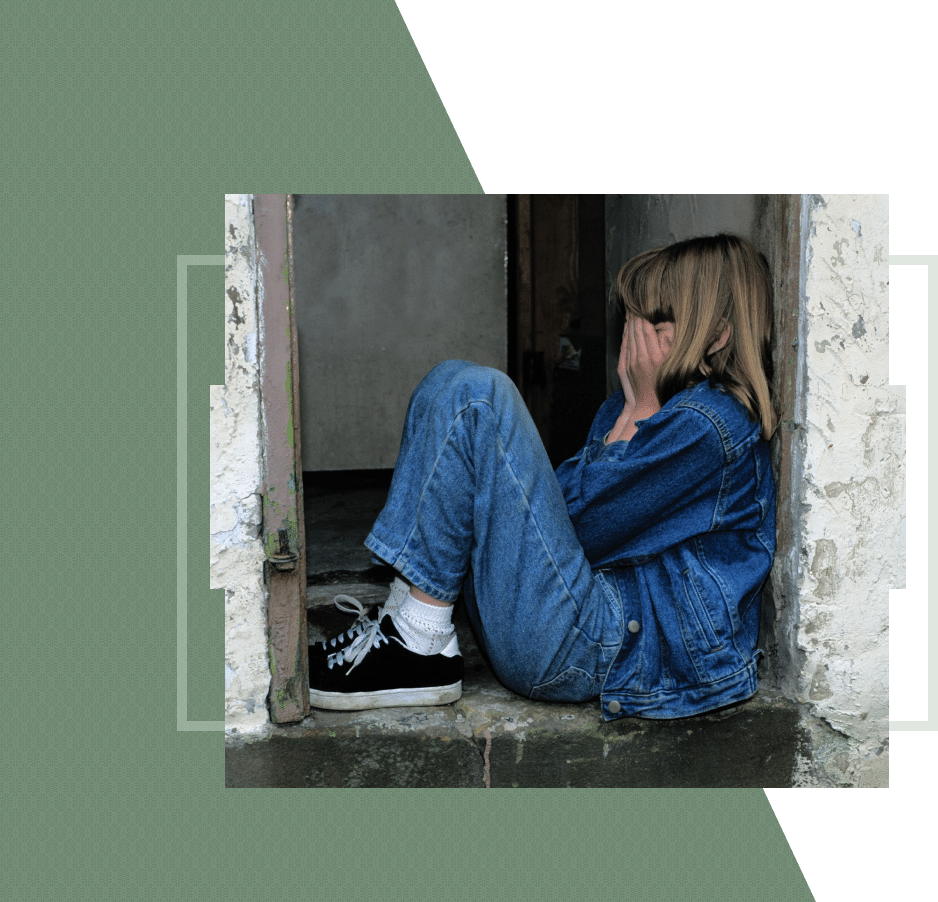
There is little more miserable than being in the throes of addiction. Buddhist iconography pictures it best as being trapped “in the realm of hungry ghosts” – creatures afflicted with starvation but only capable of eating a single grain of rice at a time. Addiction feels like that, and worse. It creates mountains of shame, regret, missed opportunities, and damaged relationships. Whether it’s alcohol, drugs, or gambling, gaming, and pornography, addiction steals your vitality.
You can be free of addiction, substance use, and compulsive behavior.
Addiction is not a life sentence, you can beat it. While being trapped by addiction is one of the great forms of suffering, being free of it is a tremendous liberation – waking up each day not hung over with energy and clarity, no longer having to hunt down a supplier, no more lying, no more excuses for missed opportunities or broken promises. To be free to focus on what matters in life and invest in long term forms of happiness and fulfillment.
Don’t give up hope.
Of course, when you’re in the chains of addiction or compulsive behavior, that freedom feels so far away. It’s hard to remember, let alone envision, a life free from restraints that addiction puts on you. But it absolutely is possible and asking for help is often the first step.


Everyone’s escape plan is different.
While it’s absolutely true that you can recover from addiction, how to do so can be complicated. There are an awful lot of competing theories about what addiction is and how to heal it. Our approach specializes in tailor treatment to you, not you to a model. Practically speaking, that means that some people benefit tremendously from AA or 12-step models with therapy. For others, those models are off-putting and they need a more specialized plan. Some people need an accountability coach, some need to heal the trauma that causes addiction, and others need a place to understand how addiction impacts them and practical tools to rebuild.
A tale of two addictions.
Let’s bring this to life and understand how this may play out. Imagine that two folks come to treatment for drinking, Carlos and Selena. Both worry their drinking is out of control, have faltering relationships due to alcohol, and have severely damaged their work reputation. Both have just gotten a DUI and been mandated to attend AA meetings. They are seeking therapy because they have a sense they need something else.
Carlos feels out of control in his life in all sorts of areas. His family’s business is struggling, and he feels intensely responsible for their success. In therapy, we come to understand that as the eldest son of an immigrant family, his sense of responsibility is so strong that it’s almost paralyzing. Therapy focuses on helping him understand this and navigate it more realistically. AA also works well for him — he loves the messages of “letting go and letting God,” and the meetings offer structure and organization to his life in addition to therapy. The therapist understands his need for structure and offers lots of concrete skills and exercises. His drinking reduces and soon disappears entirely.
Selena has a very different experience with recovery. She grew up in an oppressive religious environment in which she was forced to go to Church regularly. A bright kid, she was often punished for questioning too much and, especially as a young woman, told to “be easier.” AA drives her bonkers — she hates the religious/spiritual element, and it’s dominated by men who often make passes at her despite the rules.
Luckily, the therapist clocks this and understands she needs a lot more space to process the trauma of having her voice and experience silenced throughout her life. Most sessions focus on unpacking how constricted she feels at work and in relationships, and then how to skillfully communicate her needs and weed out toxic relationships. As these aspects of her life improve, her drinking reduces because she feels less anxiety, more powerful, and less restricted.
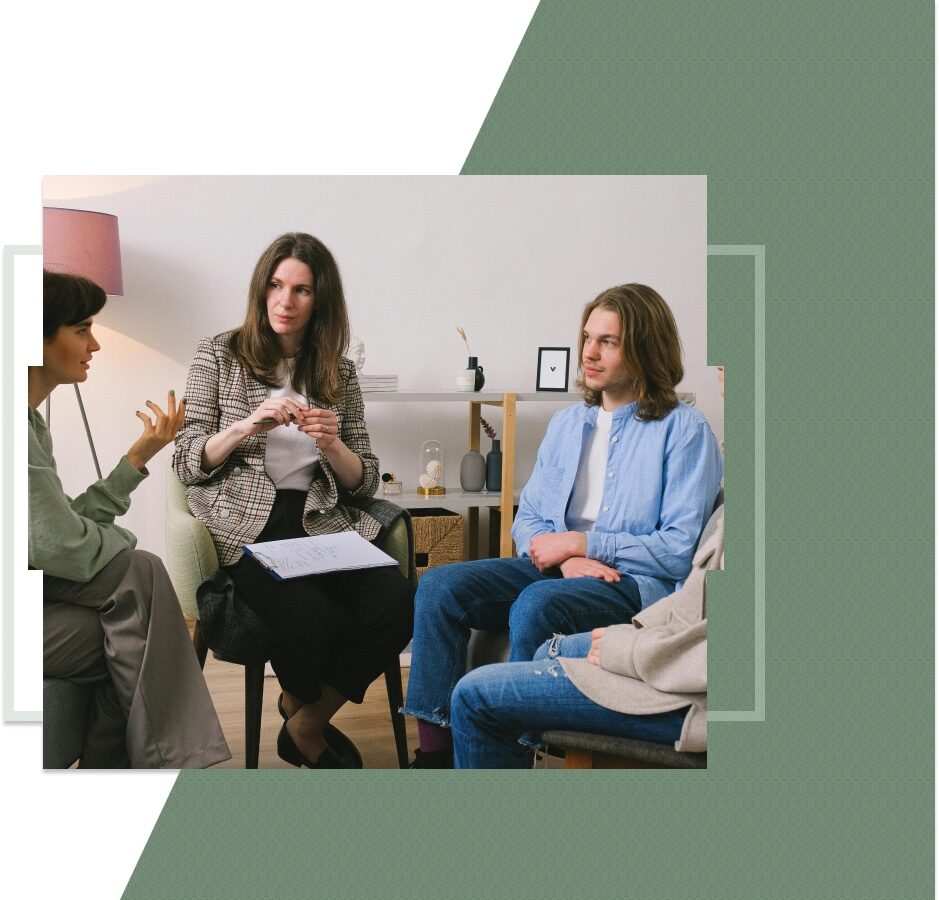
While these are fictionalized accounts, they aren’t far from the stories we see every day. They illustrate that what is good for the goose is not always good for the gander, and that therapy’s great superpower is to be able to address each unique individual in all their complexity while helping them get where they need to go. Don’t let yourself stay trapped by addiction. Let us help you get free!

Call us for a free 20-minute consultation. Get your questions answered and understand the next steps.


The benefits of therapy for substance abuse are widely acknowledged. Effective therapy provides individuals with the tools and strategies needed to overcome dependency and rebuild their lives. For example, one approach, motivational interviewing, is particularly beneficial because it is highly individualized and helps balance responsibility with autonomy.
Therapies that emphasize the development of personal skills and resilience, such as stress management and life skills training, are invaluable for individuals in recovery. Through these therapeutic practices, individuals learn to navigate life’s challenges without relying on substances, enhancing their overall quality of life and promoting lasting sobriety. The support and guidance of a qualified therapist can make a significant difference in the journey toward recovery, offering hope and a pathway to a healthier future.
Call (415) 484-1050 or email hello@sftherapygroup.com
Yes. We offer online addiction and substance abuse therapy to clients throughout California via secure video. Sessions follow the same individualized approach as in-person work at our San Francisco office.
For most people, yes. The quality of the therapeutic relationship drives outcomes far more than the format. Many clients find that online therapy fits their schedule and lifestyle without compromising the depth of the work.
Therapy is one of the most consistently supported approaches for addiction, particularly when treatment is matched to the individual rather than applied as a fixed protocol.
The strength of the therapeutic relationship is one of the most reliable predictors of recovery. Addressing the relational and emotional patterns driving substance use, not just the behavior itself, is what makes lasting change possible.
Treatment length depends on the nature of the substance use, what is underneath it, and whether there are co-occurring concerns. Some people stabilize in a matter of months. Others are working through longer-standing patterns that take more time.
We do not set arbitrary timelines. We check in regularly on progress and work toward a point where you are genuinely ready to move on, not just compliant with a program.
An addiction therapist works to understand the psychological, relational, and emotional roots of substance use. The focus is not just on stopping the behavior but on understanding what it has been doing for the person.
Substance abuse counselors typically work within structured programs, providing skills-based support, 12-step navigation, and recovery milestones. At SF Therapy Group, our therapists bring clinical depth to both roles.
We work with alcohol use disorder, opioid addiction, cocaine and stimulant use, prescription drug misuse, cannabis use disorder, and polysubstance use.
We also work with compulsive behaviors where the same dynamics of shame, avoidance, and loss of control are present, including pornography addiction and gambling. You do not need a formal diagnosis to reach out.
Anyone whose substance use is causing repeated harm to their relationships, work, or sense of self, and who has not been able to change it through willpower alone.
You do not need to be at rock bottom. If substance use has become a way to cope with stress, if you have tried to cut back and found it harder than expected, or if the costs are mounting, that is enough reason to call.
Habits change when you decide to change them. A substance use problem is a pattern that persists despite clear reasons to stop, genuine attempts to stop, and consequences that are difficult to ignore.
You do not need to resolve this question before reaching out. That uncertainty is worth exploring with someone trained to help.
Our primary approach is Control Mastery Theory. CMT holds that addictive patterns develop for reasons that once made psychological sense, as ways of coping with overwhelming experiences or protecting important relationships. Understanding those reasons is where lasting change begins.
We focus on the full picture: the relational patterns, the emotional history, what drives cravings, and when. Some clients also benefit from skills-based support or 12-step involvement alongside individual therapy. We work with you to figure out what will actually help.
Several approaches have strong support for addiction treatment. Here is an overview of what is commonly used and how we relate to each other at SF Therapy Group.
CBT identifies thought patterns and behaviors that sustain substance use and builds practical skills for interrupting them. It is one of the most widely used evidence-based treatment approaches for addiction.
DBT focuses on distress tolerance, emotional regulation, and interpersonal effectiveness. These skills are directly relevant to people whose substance use is tied to emotional overwhelm.
A collaborative, person-centered approach that helps people explore and strengthen their own motivation for change. Particularly useful when ambivalence about stopping is part of the picture.
Many people use substances to manage the aftermath of trauma. Trauma-informed therapy addresses both the addiction and the experiences driving it, rather than treating them separately.
Our primary clinical framework is Control Mastery Theory, which addresses the psychological and relational roots of addictive behavior. We draw on skills-based tools where useful and adapt our approach to each person.
Harm reduction focuses on reducing the negative consequences of substance use rather than requiring immediate abstinence as the only acceptable goal. It meets people where they are, not where a program thinks they should be.
We do not impose a single recovery model. Abstinence is the right goal for some people. Harm reduction is the more realistic and humane starting point for others. We work with you to build a plan that fits your actual situation and values.
Substance use and mental health concerns very often develop together. Anxiety, depression, trauma, and PTSD are among the most common co-occurring conditions in people seeking addiction treatment.
Treating only one side rarely works. Addressing the anxiety or depression without understanding the role it plays in driving substance use leaves the pattern intact. At SF Therapy Group, we hold both.
Addiction develops within relationships and affects them. Partners and close family members often adapt to substance use over time in ways that, however well-intentioned, can make it harder to change. Communication breaks down. Trust erodes. Roles shift.
At SF Therapy Group, relational patterns are a central part of how we understand addiction. Control Mastery Theory specifically focuses on the beliefs and relational dynamics that sustain addictive behavior, including how relationships have shaped the patterns you are trying to change.
For people whose substance use has significantly affected their relationship, couples counseling can be a meaningful part of the recovery process. SF Therapy Group offers couples counseling as a separate service. If this is relevant to your situation, it is worth discussing during your consultation.
Peer community, a structured recovery framework, and ongoing accountability. For many people, programs like AA and NA have been genuinely transformative.
A private, confidential space to examine the particular shape of your experience. Therapy adapts entirely to the individual and does not require any specific belief system.
Many people find the two complementary. As the story of Carlos on this page shows, AA provided structure and community while therapy addressed the underlying psychological drivers of his drinking. We do not have a position on 12-step programs. We have a position on finding what works for you.
Relapse is common and does not mean treatment has failed. Many people experience it before finding lasting stability. Research consistently shows that recovery is still possible after multiple relapses.
A relapse is not a reason to stop therapy. It is information. It tells us something about what is still unresolved and where the work needs to go next. Shame about relapse is one of the most reliable drivers of disengagement, and we work deliberately against that.
Therapy addresses the patterns that sustain addiction over time. When those patterns shift, the grip of substance use typically loosens, not through willpower, but through genuine change in how a person understands themselves.
Long-term recovery is supported by understanding what drives the addiction, building reliable coping strategies, strengthening relationships, and having a plan for high-risk periods. Therapy contributes to all of these.
If therapy or rehab did not work the first time, that is not evidence that treatment cannot work. It is often evident that the approach was not the right fit.
We spend significant time understanding why previous attempts have not held. That history is clinical information that helps us understand the shape of this person’s addiction and what approach is most likely to help. If we are not the right fit, we will tell you honestly and help you find what is.
Yes. For most people seeking addiction treatment, shame is one of the most powerful obstacles. The fear of being judged, of admitting that willpower has not been enough, is entirely understandable.
Shame does not motivate change. It usually does the opposite. Addressing it directly, without flinching, is often one of the most important things addiction therapy can do. You do not have to arrive with the full story ready to tell.
Addiction therapists typically hold licensure as an LCSW, LMFT, LPC, or psychologist. Some also hold specific certifications in addiction treatment, such as CADC credentials.
Our therapists are licensed clinicians with specific experience in addiction and substance use. Our work is grounded in Control Mastery Theory, which provides a rigorous framework for understanding and treating the psychological roots of addictive behavior.
Book A Consult
Contact us today to schedule a consultation and explore how therapy can help.