We all know growing up can be difficult. It’s hard to navigate through peer relationships, school, and figuring out yourself. Life isn’t easy for any of us, and young people sometimes have to work through the same kind of losses, setbacks, or traumatic experiences adults do. These days, young people have to do all that while also straddling in-person and online spaces. That’s why it helps to have a trusted ally (like a child therapist, SF) for kids to talk to.
Having a trusted person outside their family and day-to-day life can give young people a place to figure out how to steer through whatever problems they are experiencing.
Sometimes, talking about the things they are struggling with or insecure about is difficult with family or friends, and therapy can be a place to work through the “first draft” of those thoughts or feelings. A child therapist, San Francisco can provide support, as well as teach skills or information to help you or your child.
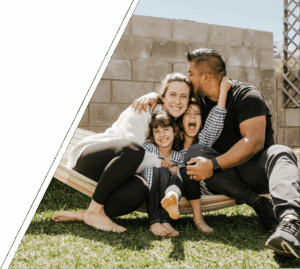
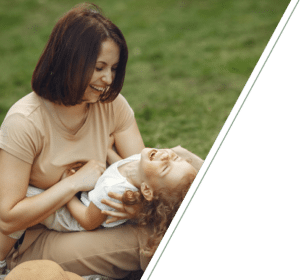
We understand that mental health support from a child psychologist, San Francisco for children, adolescents, and families must be tailored to each individual. That’s why our child counselors in San Francisco create personalized treatment plans for each child or adolescent.
Our child therapist near me services are available in person or via video call, offering individual and family therapy. We provide a wide range of strategies to address issues such as:
While many children and teens face general developmental challenges, some struggle with specific issues that require specialized care. Our child psychologist San Francisco team offers targeted child counseling for:
Each young person’s experience is unique, which is why our child therapist near me tailors their approach to treatment that fits your child’s specific needs.
Learn more about who we help and explore our philosophy of personalized care.
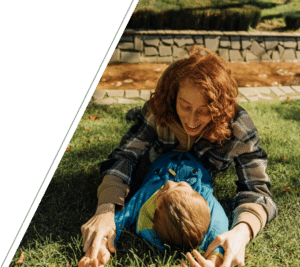

Anger is not all bad. Sometimes, anger can motivate us to action when we’ve been treated unfairly or when we need to stand up to injustice. Some people don’t get angry enough and end up conceding or taking too much responsibility.
Unfortunately, young people can get overwhelmed by anger, whether justified or not, and acting on anger can sometimes be self-defeating. Some children and teenagers get too angry, are too quick to blame others, and cannot escape feeling unheard or unrecognized. We work with young people to reduce the damage anger can cause to relationships and opportunities in life.
Finding the right child therapist near me for anger management is crucial. Our child psychologist near me team in San Francisco provides compassionate child counseling that teaches young people how to recognize triggers, manage intense emotions, and respond constructively rather than destructively.
The real problems come from not being able to let go of anger when it doesn’t really matter or channeling that anger into destructive behaviors. “Anger management” is about addressing both sides of anger, practicing not getting as mad about things, and learning how to mitigate the damage when one does get mad.
Working with a child therapist, San Francisco can help your child learn practical strategies to manage anger before it causes harm.


Our child therapy San Francisco practice is conveniently located on Sacramento Street in Presidio Heights, serving families throughout Outer Richmond, Laurel Heights, Lake Street, The Presidio, and Cow Hollow.
Our child psychologist’s office is easily accessible, whether you’re near California Street, Clay Street, Laurel Village, or within walking distance of Trader Joe’s.
Families can reach us via Muni 1 California, Muni 2 Clement, or Muni 43 Masonic. We are close to Julius Kahn Playground, Mountain Lake Park, and dining options like Spruce Restaurant or The Social Study.
Our location makes it easy to find a child counselor, San Francisco who understands the unique challenges of raising children in the city.
Learn more about our therapists and our Control Mastery Theory approach.
Finding the right adolescent therapist near me can feel overwhelming, especially when your child is struggling. Our team of experienced therapists specializes in helping children and teens navigate everything from everyday stress to more serious challenges.
We base our approach on Control Mastery Theory, which helps young people overcome the unconscious beliefs that hold them back. This evidence-based framework, combined with our commitment to personalized care, makes our child therapy San Francisco practice uniquely effective.
Whether you need an adolescent counselor near me or specialized support, we’re here to help your family thrive.

Practices, experiments, and insights are all part of the solution, though the mix of those is unique to each person. Some need breathing exercises, some just need to talk it out, others still need to take risks.

We often change through action and experience. Sometimes the action is doing something you’ve been putting off, sometimes it’s simply being aware of your thoughts and being a bit nicer to yourself. Either way, action breeds change.
We’ll track progress both by checking in directly in session and through various psychometric measures.
A child and adolescent therapist focuses on improving the emotional well-being of young individuals through various therapeutic techniques. These professionals, often clinical psychologists or other specialized clinical staff, are trained to understand the unique challenges faced by children and adolescents. Their work can include psychological assessments to understand a child’s needs, therapy sessions that involve the child and sometimes parents, and coordination with other staff members to provide comprehensive care.
Child therapists are skilled in addressing a wide range of issues, from anxiety and depression to eating disorders and substance abuse. They utilize evidence-based assessment and treatment methods to create personalized therapy plans. By fostering a safe and supportive environment, therapists encourage children to express themselves freely, helping them work through their difficulties.
Moreover, the collaboration between therapy and parents is crucial in the therapeutic process. Therapists often guide parents on how to support their child’s emotional and psychological development outside of sessions, ensuring continuity of care at home. This holistic approach is aimed at fostering resilience, self-understanding, and healthy coping mechanisms in children and adolescents, laying a foundation for long-term mental health and well-being.
As a parent, you might be wondering whether your child’s behavior is just a normal part of growing up or something that needs professional support. You may have noticed changes that worry you, or you may be unsure if what you’re seeing is serious enough to warrant reaching out to a child therapist in San Francisco.
These questions are completely natural, and recognizing when your child needs help is one of the most caring things you can do.
We understand that deciding to seek child therapy, San Francisco support can feel overwhelming. Our team has worked with countless families navigating these same concerns, and we’re here to help you understand what to look for and when professional support might be beneficial.
Common Warning Signs in Children and Teens
Emotional and behavioral changes:
Academic and social struggles:
Physical symptoms without a medical cause:
High-risk behaviors:
When to Seek a Child Therapist Near Me
You don’t need to wait until things feel critical. If your child’s difficulties persist for several weeks, interfere with daily functioning, or cause significant distress, reaching out to a child psychologist, San Francisco can provide clarity and support.
Many families find that child counseling helps with specific challenges like anxiety therapy, depression counseling, or ADHD support. Others seek individual therapy for general support during difficult transitions or life changes.
Specialized Support for Different Needs
Our child therapist near me team in Presidio Heights works with children and teens facing:
We also offer chronic pain therapy when physical symptoms affect mental health. Learn more about who we help and explore our philosophy of personalized care.
What is the conclusion?
Trust your instincts. If you’re concerned about your child’s well-being, that concern itself is a valid reason to reach out. Early intervention with a child psychologist near me can make a significant difference in your child’s emotional development and long-term well-being.
You might be worried that your child is too young for therapy, or perhaps you’re wondering if they’re old enough to benefit from it. Many parents struggle with this question, especially when their little one is acting out or showing signs of distress. The good news is that child therapy in San Francisco can be effective across a wide range of ages and developmental stages.
Our child psychologist in San Francisco works with children and adolescents at various developmental stages, and we tailor our approach to fit where your child is emotionally and cognitively.
Age Ranges for Child Therapy
Young children (ages 3-6): Children as young as three can benefit from child counseling, though the approach looks quite different from traditional talk therapy. At this age, therapy often involves play-based techniques where children express themselves through toys, drawing, and activities rather than words alone.
School-age children (ages 7-12): This age group can engage in more structured child therapy that combines play with conversation. They’re developing language skills that allow them to express feelings more directly, though play and creative activities remain important tools.
Adolescents (ages 13-18): Teenagers typically engage in talk therapy similar to adults, though our adolescent therapist near me’s approach remains developmentally appropriate. We understand the unique challenges of adolescence and create a space where teens feel comfortable opening up.
Developmental Considerations
It’s not just about age:
What matters most:
When Age Isn’t the Right Question
Sometimes parents ask about age when they’re really wondering, “Is my child’s problem serious enough for therapy?” or “Will therapy actually help?” These are valid concerns, and the answer is often yes, regardless of age.
Our child therapist near me services address issues ranging from anxiety therapy and depression counseling to ADHD support, anger management, and grief counseling. We also provide individual therapy for children who need one-on-one support through transitions or challenges.
If you’re unsure whether your child is ready, we offer a free 20-minute consultation to discuss your specific situation. Our team serving Presidio Heights, Outer Richmond, and surrounding neighborhoods can help you determine if child therapy in San Francisco is right for your family at this time.
The cost of therapy is often one of the first practical questions parents ask, and understandably so. You want to get your child the help they need, but you also need to know if it fits your family’s budget. We believe in being transparent about costs so you can make informed decisions about your child’s care.
Our child therapist, San Francisco practice, charges between $150 and $300 per session. We know this is a significant investment, and we want to help you understand what affects pricing and what options might be available to you.
Understanding Session Costs
Our pricing structure:
What affects the cost:
Insurance and Payment Options
Insurance reimbursement: We’re not directly in-network with insurance companies, but if you work with Dr. McCollum or Dr. Ahrendt, you can submit a Superbill to your PPO insurance for reimbursement. This means you pay upfront and then submit to your insurance for partial reimbursement based on your out-of-network benefits.
What to know about Superbills:
Payment considerations:
Our Cancellation Policy
We understand that life with children is unpredictable. We ask for 48 hours’ notice to cancel appointments. If you reschedule within the same week, there’s no charge. If you cancel within 48 hours and cannot reschedule, we ask that you cover half the cost of the session, and we’ll cover the other half because we assume it’s something urgent.
Making Therapy Work for Your Budget
Consider the investment: Many families find that addressing challenges early through child psychologist near me services saves money and heartache in the long run. Issues like anxiety, depression, ADHD, or anger management challenges often become more complex and costly to address if left untreated.
Questions to ask your insurance:
Our practice is conveniently located on Sacramento Street in Presidio Heights, easily accessible via Muni 1 California, 2 Clement, or 43 Masonic lines, serving families throughout Outer Richmond, Laurel Heights, Lake Street, and surrounding San Francisco neighborhoods.
If cost is a concern, we encourage you to call us for a free consultation to discuss your specific situation and explore what might work for your family.
You’ve decided your child needs help, but now you’re faced with another question: what kind of therapy should they get? With so many approaches out there—cognitive-behavioral therapy, play therapy, family therapy—it can feel overwhelming to figure out what’s right for your child. The truth is, there’s no single “best” therapy for all children.
Our child therapist San Francisco team uses a range of evidence-based approaches, tailoring treatment to each child’s unique needs, age, personality, and the specific challenges they’re facing.
Common Therapy Approaches for Children
Talk therapy: Older children and adolescents often benefit from traditional talk therapy where they discuss their thoughts, feelings, and experiences. Our adolescent therapist near me approach helps teens develop insight, coping skills, and strategies for managing their challenges.
Play-based therapy: Younger children (ages 3-10) often express themselves better through play than words. Play therapy allows children to work through difficulties using toys, art, and activities. It’s particularly effective for children who struggle to verbalize their emotions.
Family therapy: Sometimes the whole family benefits from being involved in treatment. Family therapy can improve communication, resolve conflicts, and help everyone understand how to support the child. This approach works well when family dynamics contribute to the child’s struggles.
Combination approaches: Most effective treatment combines elements from different therapeutic models. We might use talk therapy with a teen while also involving parents in some sessions, or blend play activities with skill-building exercises for school-age children.
What Works for Different Challenges
For anxiety and worry: Anxiety therapy often includes teaching coping strategies, relaxation techniques, and gradually facing feared situations. Our child psychologist near me helps children understand their anxiety and develop practical tools to manage it.
For depression and low mood: Depression counseling focuses on identifying negative thought patterns, building positive activities, and improving social connections. We help children and teens reconnect with things that bring them joy and purpose.
For attention and focus challenges: ADHD support includes organizational strategies, time management skills, and understanding how their brain works. We help children develop systems that work with their natural strengths.
For anger and emotional regulation: Anger management therapy teaches children to recognize triggers, develop self-control, and express feelings appropriately. We help them understand that anger is normal but teach healthier ways to handle it.
For loss and grief: Grief counseling provides a safe space to process painful emotions, remember loved ones, and adjust to life changes. We help children navigate loss in age-appropriate ways.
For behavioral concerns: When children act out or struggle with behavior, we look at what’s driving those actions. Often, behavioral issues are symptoms of underlying struggles with anxiety, trauma, or other challenges that need addressing.
Our Approach to Child Therapy
We base our work on Control Mastery Theory: Our practice uses Control Mastery Theory, which helps children overcome unconscious beliefs that hold them back. This evidence-based approach recognizes that children develop beliefs about themselves and the world based on their experiences, and therapy helps them test and change unhelpful beliefs.
Personalized treatment plans: We don’t believe in one-size-fits-all therapy. After meeting your child, our child counselors in San Francisco create a customized treatment plan that draws from various approaches based on what will work best for your child’s age, personality, and specific needs.
What to look for: The most important factor isn’t the specific therapy type but whether your child connects with their therapist and whether you see progress. Learn more about who we help and our philosophy of personalized care.
If you’re unsure what approach your child needs, our team in Presidio Heights can help. We offer individual therapy and work with various challenges, including substance abuse, chronic pain, and relationship difficulties. Contact us for a free consultation to discuss your child’s specific situation.
Finding the right child therapist in San Francisco for your family can feel like searching for a needle in a haystack. You want someone experienced, trustworthy, and who truly understands your child—but how do you actually find that person? With so many options in San Francisco, knowing where to start and what questions to ask can make all the difference.
Our child psychologist near me has helped countless families navigate this decision, and we understand what makes a good therapeutic match. Let us walk you through what to look for and how to find the right fit for your child.
What Makes a Good Child Therapist
Specialized training and experience: Look for a child counselor, San Francisco who specifically works with children and adolescents, not just someone who sees clients of all ages. Child therapy requires specialized training in developmental psychology, age-appropriate techniques, and family dynamics.
Connection and rapport: The relationship between your child and their therapist is the most important factor in successful therapy. Your child needs to feel comfortable, understood, and safe with their adolescent therapist near me.
Evidence-based approaches: Effective therapists use proven methods backed by research. At our practice, we base our work on Control Mastery Theory, an evidence-based framework that helps children overcome unconscious beliefs holding them back.
Clear communication: A good therapist should be able to explain their approach, answer your questions, and keep you informed about your child’s progress (while respecting appropriate confidentiality with older children and teens).
Finding Therapists in Your San Francisco Neighborhood
Location and accessibility matter: Our practice is conveniently located on Sacramento Street in Presidio Heights, making it easy for families throughout San Francisco to access care. We serve families in:
Getting to our office: We’re easily accessible via public transportation:
Our location near California Street, Clay Street, and Presidio Avenue means you’re close to familiar neighborhoods. Many families combine therapy appointments with errands at nearby Laurel Village, Trader Joe’s, or a meal at Spruce Restaurant or The Social Study. Kids might enjoy a post-session visit to Julius Kahn Playground or Mountain Lake Park.
Questions to Ask Potential Therapists
About their experience:
About their approach:
About logistics:
Red Flags to Watch For
Avoid therapists who:
Specialized Support for Different Needs
When searching for a child therapist near me, consider whether your child needs general support or specialized treatment for specific challenges:
Finding the Right Fit
Start with a consultation: We offer a free 20-minute consultation to help you determine if our practice is the right fit for your family. This gives you a chance to ask questions, learn about our approach, and get a feel for whether we’re a good match.
Trust your instincts: You know your child best. If something doesn’t feel right during your initial conversations with a therapist, it’s okay to keep looking. The right therapeutic relationship is worth the effort to find.
Meet our team: Browse our therapists page to learn more about our clinicians’ backgrounds, specialties, and approaches. Each member of our team brings unique expertise to working with children and adolescents.
Learn more about who we help and explore our philosophy of personalized, compassionate care. You can also review our FAQs and insurance information for additional details about working with our practice.
Finding a child psychologist, San Francisco who’s the right fit for your family is an important decision. We’re here to make that process as straightforward as possible. Contact us today to schedule your free consultation and take the first step toward supporting your child’s emotional well-being.
You’re ready to start therapy for your child, but you’re wondering about the practical details—like how much time you’ll need to set aside for appointments. Maybe you’re trying to figure out how to fit therapy into your family’s already-packed schedule, or you’re wondering if your child can even sit still for a full session. These are important questions as you plan for this new routine.
Our child therapist, San Francisco practice structures sessions to be effective while remaining manageable for children’s attention spans and your family’s schedule.
Standard Session Length
Typical session duration: Most child and adolescent therapy sessions last around 50-60 minutes. This is long enough to do meaningful work while remaining manageable for most children’s attention spans.
Why this length:
Age and Developmental Considerations
For younger children (ages 3-6): Very young children may have shorter attention spans, but we still typically use the 50-minute format. We structure sessions with movement, play, and varied activities to keep them engaged. Younger children rarely sit still for the full time, and that’s perfectly okay—much of the therapeutic work happens through play and activity.
For school-age children (ages 7-12): This age group can usually handle the full session length well. Our child psychologist near me balances talk time with activities, games, or creative expression to maintain engagement throughout the session.
For adolescents (ages 13-18): Teenagers typically engage in traditional talk therapy similar to adults. They can usually maintain focus for the full session length, though our adolescent therapist near me approaches sessions conversationally and relevant to their lives rather than feeling like a formal interview.
Session Frequency
How often should your child attend: Most children attend therapy weekly, especially when first starting treatment. This frequency allows for:
Adjusting frequency over time: As your child makes progress, sessions might move to every other week or monthly check-ins. Some children in crisis might benefit from twice-weekly sessions initially. Your child’s counselor, San Francisco, will work with you to determine the right schedule.
Parent Involvement and Time
Parent check-ins: Sessions for younger children often include brief parent check-ins at the beginning or end. This might add 5-10 minutes to your total appointment time. These check-ins help us:
Family therapy sessions: When appropriate, some sessions might involve the whole family or include parents for part of the time. These sessions still typically last 50-60 minutes but focus on family dynamics and communication rather than just the child’s individual work.
Scheduling Considerations for San Francisco Families
Making it work with your schedule: Our Presidio Heights office on Sacramento Street is conveniently located for families throughout San Francisco. We’re accessible via Muni 1 California, 2 Clement, and 43 Masonic lines, making it easier to fit appointments into busy schedules.
Nearby amenities: Our location near Laurel Village, California Street, and Presidio Avenue means you can combine therapy appointments with other errands. Families often appreciate the nearby parks like Julius Kahn Playground or Mountain Lake Park for before or after sessions.
Serving your neighborhood: We work with families throughout Outer Richmond, Laurel Heights, Lake Street, The Presidio, and Cow Hollow, understanding the unique scheduling challenges of San Francisco family life.
What Happens During the Session
The time is focused on your child: Whether working on anxiety therapy, depression counseling, ADHD support, anger management, or other concerns, the session time is dedicated to your child’s needs. Our child therapist near me creates a safe, judgment-free space for children to:
Different needs require different approaches: We tailor our approach based on what your child needs. This might include individual therapy techniques, play-based activities, art expression, or structured skill-building. Some children working through grief counseling, substance abuse concerns, or relationship challenges might need different session structures.
Planning Your Commitment
Initial investment: Starting therapy requires a commitment of time and consistency. Plan for:
Long-term flexibility: As treatment progresses and your child improves, the time commitment often decreases. Many families find that the initial investment of time pays off significantly in their child’s well-being and family life quality.
Learn more about our approach by exploring who we help, our philosophy of care, and our FAQs and insurance information. You can also browse our therapists page to find the right fit for your family.
If you’re wondering whether your family’s schedule can accommodate therapy, contact us for a free 20-minute consultation. We’ll help you figure out how to make child therapy San Francisco work for your busy life.
Your child seems constantly worried. Maybe they can’t sleep at night, struggle with school, or avoid activities they once enjoyed. You’ve noticed they’re more clingy than other kids their age, or perhaps they have frequent meltdowns over small things. As a parent, watching your child struggle with anxiety is heartbreaking, and you’re wondering if child therapy San Francisco can actually help or if this is just something they’ll outgrow.
The good news is that therapy can be highly effective for childhood anxiety. Our child psychologist near me team has helped countless anxious children develop the skills and confidence they need to manage worry and face their fears.
Understanding Childhood Anxiety
Anxiety in children looks different than in adults: Children might not say “I’m anxious” or even recognize that’s what they’re feeling. Instead, you might see:
Common anxiety triggers for kids:
How Anxiety Therapy Works for Children
Age-appropriate approaches: Our child therapist, San Francisco, tailors anxiety therapy to your child’s developmental level:
For younger children (ages 3-8): We use play-based techniques where children work through anxious feelings using toys, art, and stories. Play therapy allows younger kids to express and process anxiety in ways that feel natural to them.
For school-age children (ages 8-12): We combine practical coping strategies with age-appropriate conversations about worry. Children learn to identify anxious thoughts and feelings, understand their triggers, and develop concrete tools to manage anxiety.
For adolescents (ages 13+): Our adolescent therapist near me uses more sophisticated techniques to help teens understand the connection between thoughts, feelings, and behaviors. Teenagers learn to challenge anxious thoughts and gradually face feared situations.
Specific Strategies We Teach
Recognizing anxiety:
Coping skills:
Facing fears gradually: Rather than avoiding anxiety-provoking situations, we help children face fears in small, manageable steps. This gradual exposure helps them build confidence and learn that they can handle discomfort.
Building resilience: We work on underlying factors that contribute to anxiety, such as perfectionism, need for control, or underlying beliefs about safety and competence.
Do Children Outgrow Anxiety?
The truth about childhood anxiety: Some children naturally become less anxious as they mature and develop coping skills. However, untreated anxiety often persists into adolescence and adulthood, becoming more entrenched over time. Early intervention with child counseling, San Francisco can prevent anxiety from limiting your child’s life.
Why therapy helps: Children don’t automatically develop anxiety management skills on their own. Therapy teaches specific, evidence-based strategies that help children manage worry effectively. These skills become tools they carry into adulthood.
Treating Anxiety Naturally Through Therapy
Beyond medication: While medication can be helpful for some children, many benefit significantly from therapy alone. Our child psychologist’s San Francisco approach focuses on:
Parent involvement is key: Anxious children often have anxious parents (it runs in families!). We help parents understand their own anxiety responses and learn how to support rather than accommodate their child’s anxiety. Sometimes parents’ well-meaning attempts to protect anxious children actually reinforce the anxiety.
When Anxiety Coexists with Other Issues
Multiple concerns: Anxiety rarely exists in isolation. Many anxious children also struggle with:
Our child therapist near me addresses the full picture of your child’s struggles, not just the anxiety in isolation.
What Parents Can Expect
Therapy takes time: Anxiety didn’t develop overnight, and it won’t disappear immediately. Most children need several months of consistent therapy to see significant improvement. However, many families notice small positive changes within the first few weeks.
Progress isn’t always linear: Your child might have great weeks followed by difficult ones. This is normal. The goal isn’t to eliminate anxiety completely (some anxiety is healthy!) but to help your child manage it effectively.
You’re part of the solution: Successful anxiety treatment involves the whole family. Our practice provides parent guidance on how to support your anxious child without enabling avoidance or reinforcing anxious behaviors.
Additional Support and Resources
Comprehensive care: Beyond anxiety-specific treatment, some children benefit from individual therapy that addresses broader emotional needs. Others might need support for co-occurring issues like grief counseling after loss or substance abuse therapy if they’re using substances to cope with anxiety.
Our approach: We base our work on Control Mastery Theory, which helps children identify and challenge unconscious beliefs that fuel anxiety. Learn more about who we help and our philosophy of personalized care.
Finding Anxiety Support in Your San Francisco Neighborhood
Our office on Sacramento Street in Presidio Heights serves families throughout San Francisco, including Outer Richmond, Laurel Heights, Lake Street, The Presidio, and Cow Hollow. We’re conveniently accessible via Muni 1 California, 2 Clement, and 43 Masonic lines.
Many families appreciate our location near familiar spots like Laurel Village, California Street, and Presidio Avenue. After sessions, some children enjoy visiting nearby Julius Kahn Playground or Mountain Lake Park, while families grab lunch at Spruce Restaurant or The Social Study.
Getting started: If your child’s anxiety is interfering with school, friendships, sleep, or family life, child therapy, San Francisco can help. Contact us for a free 20-minute consultation to discuss your child’s specific anxiety challenges and how we can support your family.
Browse our therapists page to learn about our team’s experience with childhood anxiety, and review our FAQs and insurance information for practical details about starting therapy. You don’t have to watch your child struggle; help is available, and anxiety is highly treatable with the right support.
You’ve made the appointment, and now the first session is approaching. You might be feeling a mix of relief and nervousness. What will actually happen during that first visit? Will your child open up to a stranger? Should you stay in the room or wait outside? These unknowns can make an already stressful situation feel even more uncertain.
Our child therapist, the San Francisco team, understands that starting therapy is a big step for families. Let us walk you through what typically happens in the first session so you can feel prepared and help your child feel comfortable, too.
Before the First Session
What to do in preparation:
What we’ll send you: Before your first appointment, you’ll receive paperwork to complete. This includes:
Logistics to know:
The First Session Structure
Initial welcome (5-10 minutes): Your child psychologist near me will greet you and your child, helping everyone feel comfortable. We’ll typically start with both parent and child together to establish rapport and set a positive tone.
Gathering information (varies by age): For younger children, much of this initial information gathering happens with parents while the child plays nearby or in a separate waiting area. For older children and teens, we might speak with them first, then bring parents in at the end.
What we’ll ask you:
Time with your child: The therapist will spend time getting to know your child in an age-appropriate way:
For young children: Expect play, drawing, or activities rather than formal conversation. The therapist observes how your child plays, interacts, and responds. This play provides valuable information about your child’s emotional state and concerns.
For school-age children: A mix of conversation and activity. We might ask about their favorite things, school, friends, and family while also doing activities together to help them feel comfortable.
For adolescents: More direct conversation about their life, concerns, and what brought them to therapy. We respect teens’ privacy while ensuring parents stay appropriately informed.
What Your Child’s Therapist Is Assessing
Beyond just listening: During this first session, your child’s therapist in San Francisco is:
Confidentiality and Parent Involvement
For younger children, parents are typically very involved in the treatment process. The therapist will regularly communicate with you about progress and strategies to use at home.
For older children and teens: As children get older, they need some privacy in therapy to feel comfortable opening up. Your adolescent therapist near me will balance keeping you informed with respecting your teen’s privacy. We’ll discuss our confidentiality approach in the first session.
What gets shared with parents:
What stays private:
After the First Session
What happens next: At the end of the first session or during a follow-up parent meeting, your therapist will:
Follow-up sessions: The first few sessions continue building rapport while beginning therapeutic work. Don’t expect dramatic changes immediately—therapy is a gradual process that requires trust-building first.
Common First Session Concerns
“What if my child won’t talk?” This is completely normal and expected, especially with younger children or shy kids. Skilled therapists know how to engage reluctant children through play, activities, and patience. It may take a few sessions before your child opens up.
“What if we don’t click with the therapist?” The therapeutic relationship is crucial. If after a few sessions you don’t feel it’s a good fit, speak up. We want you to find the right match, even if that means transitioning to a different therapist.
“How long until we see progress?” Some families notice small improvements within weeks, while more significant changes typically take several months. Your child’s challenges, age, and engagement with therapy all affect the timeline.
Specialized First Sessions
Depending on your child’s needs, the first session might look different if your child is coming for:
Our child counselor’s San Francisco approach adapts to what your child needs, whether that’s individual therapy or a more specialized focus.
Our Approach and Philosophy
What makes us different: We base our work on Control Mastery Theory, an evidence-based approach that helps children identify and challenge unconscious beliefs that cause problems. Learn more about who we help and our philosophy of personalized care.
Getting started with us: Our Presidio Heights location serves families throughout Outer Richmond, Laurel Heights, Lake Street, The Presidio, and Cow Hollow. We’re near California Street, Presidio Avenue, and Clay Street, with easy access to Laurel Village, Trader Joe’s, and nearby parks like Julius Kahn Playground and Mountain Lake Park.
After sessions, some families enjoy grabbing a bite at Spruce Restaurant or The Social Study, making therapy appointments feel like a manageable part of your weekly routine rather than an added stress.
Ready to take the first step? Browse our therapists page to learn about our team and find the right match for your child. Review our FAQs and insurance information for practical details about starting child therapy in San Francisco.
Contact us today for a free 20-minute consultation. We’ll answer your questions, discuss your child’s specific needs, and help you feel confident about that first appointment. Finding the right child psychologist near me for your family is an important decision, and we’re here to make the process as smooth as possible.

Call us for a free 20-minute consultation. Get your questions answered and understand the next steps.


Book A Consult
Contact us today to schedule a consultation and explore how therapy can help.